
Kresy Region
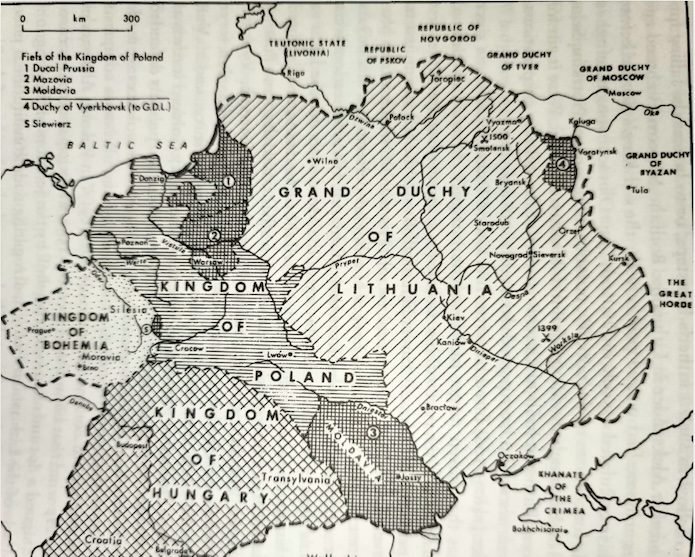
The existence of Kresy and the use of the word Kresy date back centuries. During the period of the 2nd Polish Republic 1918 – 1939, Kresy referred to the eastern border of Poland with USSR. At one time, Poland’s eastern borders had stretched as far as Kiev but, following 123 years of partition, were re-established in 1921 to include the provinces of Wilno, Nowogródek, Polesie, Wołyń, Tarnopol and Stanisławów. The major cities included Lwów, Wilno, Stanisławów, Grodno, Brześć, Borysław, Równe and Tarnopol. In 1945 they were subsumed into Soviet Russia but now lie within modern day Lithuania, Belarus and Ukraine.
This border has changed many times over the years. Poles had lived there for 400+ years and were as much native to this land as were many other ethnic groups, including Ruthenians, Belarussians and Ukrainians and later, Jews. Poles were the overall largest minority, and the Polish language was the most widely-spoken language in all cases except in the Stanisławów province.
This region was also the heart of Classical Romantic Poland. The beautiful mystical environment wherein flourished the greatest Polish writers, such as Nobel Laureate Henryk Sienkiewicz. The national poet of Poland, Adam Mickiewicz, was a native of Kresy and the wild breath-taking beauty of the Kresy landscapes inspired many artists.
These Kresy lands held a very special place in the imagination of pre-war Poles. They were the lands that bred some of Poland’s most illustrious leaders and patriots. Kresy was the birthplace of Tadeusz Kościuszko, the Supreme Commander of the Polish National Armed Forces who led the 1794 Kościuszko Uprising. He fought in the Polish-Lithuanian Commonwealth’s struggles against Russia and Prussia, and on the American side in the American Revolutionary War.
The partitions of Poland in 1772 left large Polish populations in Kresy governed by the Austro-Hungarian Empire and Russia. Conditions for Poles were much better under Austro-Hungarian control. The Russian Empire allowed Kresy to decline, denying political freedom and cruelly crushing the insurrections of 1830/31, 1846, 1863/64 with executions and deportations to Siberia. Settlements were depopulated; property and land confiscated and devastated; economic activity in agriculture, forestry, brewing and small scale industries suffered. Like Chopin in 1830, many Poles went into exile to Europe and the United States. Education had not been compulsory during Russian rule and Polish language and culture persecuted. By the time of the emergence of the Second Polish Republic in 1918, Kresy was much poorer and underpopulated region. Yet, an independent Poland re-emerged.